Learning Pathways is here: Your new dementia training guide, giving you personalised learning opportunities in seconds.
Start now at learningpathways.dta.com.au
Sign in or Create account
Contact us

Training

A range of dementia education, resources and events for the Australian workforce.

  • Browse all Courses
    • Behaviour
    • Dementia Awareness and Understanding
    • Dementia Diagnosis and Support
    • Diversity
    • Enabling Environments
    • Physical Wellbeing
  • Browse all Modules
  • Browse all Events
    • Virtual Classroom
    • Webinar
    • Workshop

Looking for a training solution for your organisation?
Explore our Commissioned Training

Learning Pathway Find and save personalised dementia training in seconds. Try it now!

Dementia Knowledge to Action Program

Become a guide who can lead, coach, and influence within your care setting.

Online and face to face learning, mentor support and ongoing endorsement with DTA available.

Free in all states and territories.

View program

Dementia Discovery

Are you new to dementia care?

Online short courses designed to increase your knowledge about dementia with tips on 'where to next' for training and resources.

Free to study.

View course

Resources

A range of free tools and practical resources you can use to help make a difference at your workplace.

  • Browse all resources
    • Application
    • Articles
    • Fact Sheet
    • Handbook
    • Print Materials
    • Toolkit
    • Video

Types of Support

DTA provides a range of services and support to organisations.

Find out more

  • Focus Areas
    • Changed Behaviour
    • Environments
    • Medication Management
    • Pain Management
  • Training Solutions
    • Environments Training Program
    • Tailored Training Programs
    • Train The Trainer

About

Find out more about Dementia Training Australia.

  • Learn More
    • About DTA
    • Aged Care Quality Standards
    • Australian Journal of Dementia Care
    • Dementia Education Standards Framework
    • Learning Pathways
  • Get Involved
    • Careers
    • Contact
Browse courses Sign in Contact us
Search

Popular search terms:

  • online courses,
  • tailored training,
  • consultancy,
  • membership,
Loading...

Thank you

  1. Home
  2. News
  3. New standards call for dementia-friendly design

New standards call for dementia-friendly design

28 Nov 2018 2 min read
  • aged care quality standards
  • apps
  • architecture
  • dementia friendly environments
  • designing for people with dementia
  • environmental design
  • leadership
  • resources
  • salutogenesis

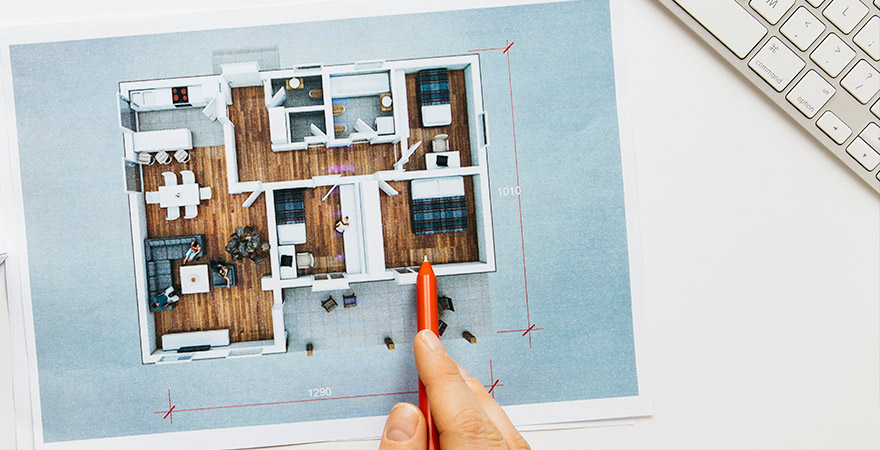
The design of a building can change the way we engage and interact, move around, and even our mood.
Dementia Friendly Building and Environment Design

The design of a building can change the way we engage and interact, move around, and even our mood.

This is particularly so for a person living with dementia. We know there is a clear link between design and what people living with dementia do.

A well-designed environment will reduce agitation, anxiety, conflict, confusion, depression, falls, restlessness, stress associated with bathing, reliance on physical help, wandering and use of psychotropic drugs.

It will improve way finding, eating behaviour, motor function, independence in dressing, ease of supervision, pleasure, mobility, activities of daily living, self-help, toilet use and interactions.

At DTA we have worked with many organisations to create dementia-friendly environments through our Designing for People with Dementia service. We see the new Aged Care Quality Standards, which represent a clear shift towards autonomy for older Australians, as a great opportunity for this work to really gain some traction and momentum.

Standard 5 goes to the heart of why environment is so important in aged care, stating that organisations must provide “a safe and comfortable service environment that promotes the consumer’s independence, function and employment.”

Our design principles can guide organisations in responding to this standard.

A safe environment, for example, is one that unobtrusively reduces risk (principle 1). A comfortable environment provides a human scale (principle 2), is familiar (principle 7), manages stimulation (principles 4 and 5) and provides a variety of places to be alone or with others (principle 8).

Consumer independence, function and employment are also addressed in the design principles.

At DTA we are guided by a salutogenic approach, which focusses on factors that support health and wellbeing, and enable a person living with dementia to live the fullest life they possibly can. Through our environmental design work we’ve seen so many changes in peoples’ lives resulting from changes in the environment. From simple changes that help a person recognise which is their bedroom, to larger-scale changes such as play equipment in residential care which increases family visits and cross-generational interaction.

There is a now, thankfully, a growing understanding that the environment is a key resource staff have at their disposal as they support older people.  Staff will always be the key, but trained staff who know how to use an environment to deliver quality care, is what will change older people’s lives the most.

It’s great to see this recognised in the new standards.

Share

Tags

  • aged care quality standards
  • apps
  • architecture
  • dementia friendly environments
  • designing for people with dementia
  • environmental design
  • leadership
  • resources
  • salutogenesis

Kirsty Bennett

Manager, Environmental Design Education Services

Designing for People with Dementia

Share

Facebook Twitter LinkedIn

Related Articles

giving voice chorus dementia choir music therapy

01 Feb 2017

Giving Voice Chorus

Giving Voice Chorus is a choir program for people with dementia and their care partners.

Imagery showing a pill bottle getting smaller by 60%

16 Dec 2019

Change is here – amended legislation on chemical restraints in Australia

DTA’s Medication Management Consultancy has seen as much as a 60% relative reduction in antipsychotic medications prescribed within residential aged care facilities across Australia.

Loading...
Close
Back to top
1300 229 092
Stay Connected
Mailchimp
Visit our Facebook page Visit our Twitter page Visit our LinkedIn page Visit our Instagram page
  • Courses
    • Behaviour
    • Dementia Awareness and Understanding
    • Dementia Diagnosis and Support
    • Diversity
    • Enabling Environments
    • Physical Wellbeing
  • Events
    • Workshop
    • Virtual Classroom
    • Webinar
  • Resources
  • Types of Support
    • Medication Management
    • Changed Behaviour
    • Pain Management
    • Environments
    • Tailored Training
    • Environments Training Program
    • Train The Trainer
  • Australian Journal of Dementia Care
  • Dementia Education Standards Framework
  • Aged Care Quality Standards
  • Learning Pathways
  • Rural and remote Australia
  • Contact
    • Careers
    • Submit a DSA Referral
    • Help
Aboriginal flag Torres Straight Islander flag

DTA would like to show our respect and acknowledge the traditional custodians of these lands. We extend this respect to elders’ past, present and emerging, and to all Aboriginal and Torres Strait Islander peoples. We also pay respect to Aboriginal and Torres Strait Islander peoples living with dementia and their carers.

Aboriginal Artwork

© Copyright Dementia Training Australia®. All rights reserved. Dementia Training Australia is a training services program delivered by the University of Wollongong. It is supported by funding from the Australian Government under the Dementia Training Program. This website uses dementia terminology current at time of publication.

  • Privacy Policy
  • Terms and Conditions