Learning Pathways is here: Your new dementia training guide, giving you personalised learning opportunities in seconds.
Start now at learningpathways.dta.com.au
Sign in or Create account
Contact us

Training

A range of dementia education, resources and events for the Australian workforce.

  • Browse all Courses
    • Behaviour
    • Dementia Awareness and Understanding
    • Dementia Diagnosis and Support
    • Diversity
    • Enabling Environments
    • Physical Wellbeing
  • Browse all Modules
  • Browse all Events
    • Virtual Classroom
    • Webinar
    • Workshop

Looking for a training solution for your organisation?
Explore our Commissioned Training

Learning Pathway Find and save personalised dementia training in seconds. Try it now!

Dementia Knowledge to Action Program

Become a guide who can lead, coach, and influence within your care setting.

Online and face to face learning, mentor support and ongoing endorsement with DTA available.

Free in all states and territories.

View program

Dementia Discovery

Are you new to dementia care?

Online short courses designed to increase your knowledge about dementia with tips on 'where to next' for training and resources.

Free to study.

View course

Resources

A range of free tools and practical resources you can use to help make a difference at your workplace.

  • Browse all resources
    • Application
    • Articles
    • Fact Sheet
    • Handbook
    • Print Materials
    • Toolkit
    • Video

Types of Support

DTA provides a range of services and support to organisations.

Find out more

  • Focus Areas
    • Changed Behaviour
    • Environments
    • Medication Management
    • Pain Management
  • Training Solutions
    • Environments Training Program
    • Tailored Training Programs
    • Train The Trainer

About

Find out more about Dementia Training Australia.

  • Learn More
    • About DTA
    • Aged Care Quality Standards
    • Australian Journal of Dementia Care
    • Dementia Education Standards Framework
    • Learning Pathways
  • Get Involved
    • Careers
    • Contact
Browse courses Sign in Contact us
Search

Popular search terms:

  • online courses,
  • tailored training,
  • consultancy,
  • membership,
Loading...

Thank you

  1. Home
  2. News
  3. Bedtime to breakfast and beyond

Bedtime to breakfast and beyond

01 Feb 2018
  • dta course
  • online course
  • Online Courses

Good sleep is vital for well-being, and the need for restorative sleep does not lessen with age.
bedtime to breakfast and beyond

What started as a program to improve the sleep of people with dementia at one Life Care site has led to a fundamental shift in how the South Australian aged care provider implements and embeds person-centred care for all residents with dementia, not just at night but 24 hours a day. Deborah Muldoon explains

Good sleep is vital for well-being, and the need for restorative sleep does not lessen with age. Older people need about the same amount of sleep as younger adults (7.5 to 8 hours each night). However, our sleep patterns change as we age – older people take longer to fall asleep and are more easily awakened. Depending on the individual, they may need to remain in bed for longer to achieve the required amount of hours.

Sleep quality can be affected by many things: noise and light disturbances, napping during the day, inadequate pain management, and evening activity or diet (for example, a meal may cause reflux, indigestion, cramps or nausea, especially if eaten late in the evening). When a person is not getting enough sleep, their enjoyment of daytime activities can decrease.

Our review and trial

In 2012 Life Care developed and trialled the Bedtime to Breakfast program in response to an increase in overnight bell calls from unsettled residents with dementia at its Aldinga Beach Court care home. A review of bell call frequency identified an average of 240 calls overnight in the 24-bed unit. During the day these residents were also exhibiting fatigue, anger, intolerance, lack of appetite and poor participation in regular activities.

Share

Tags

  • dta course
  • online course
  • Online Courses

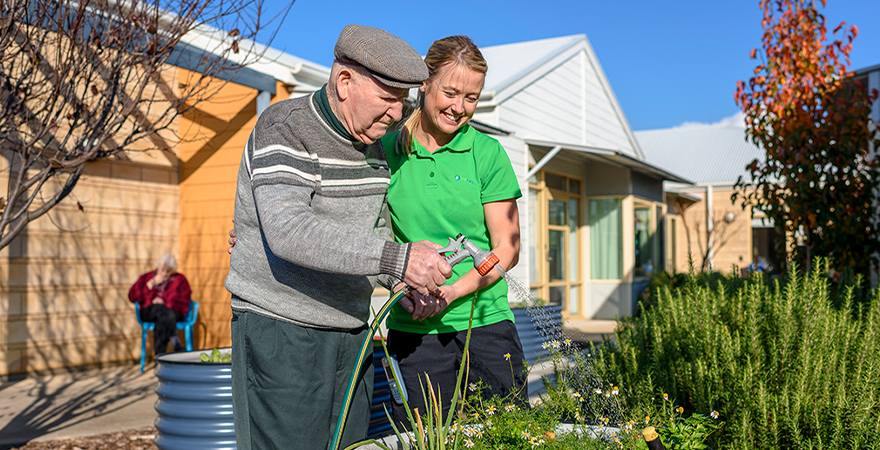
The daytime environment plays a major role in positive sleep experiences when there are opportunities to reduce boredom and encourage social activity. Life Care residents, including Clarice, Dolores and John, are able to remain engaged in meaningful activities throughout the day. Photos: courtesy Life Care

Bedtime to Breakfast began with an investigation into the sleep habits of residents with dementia, led by a team of nine Life Care staff including management, nursing, care and lifestyle staff, and consultation with pharmacy suppliers. They assessed the major factors contributing to sleep disturbances in order to make recommendations and improve care for the residents. The program went beyond overnight care to also address residents’ daytime activity to ensure a holistic approach to encouraging natural sleep.

Article extract from external source. Read the full article

Share

Facebook Twitter LinkedIn

Related Articles

mind mate free app logo dementia

01 Dec 2016

MindMate

A free app to help people with dementia live more independent lives, stay connected to their social environment and give carers tools to engage with...

dementia health allied health care woman and trainer

30 Sep 2016

Allies In Dementia Care Health Project

Loading...
Close
Back to top
1300 229 092
Stay Connected
Mailchimp
Visit our Facebook page Visit our Twitter page Visit our LinkedIn page Visit our Instagram page
  • Courses
    • Behaviour
    • Dementia Awareness and Understanding
    • Dementia Diagnosis and Support
    • Diversity
    • Enabling Environments
    • Physical Wellbeing
  • Events
    • Workshop
    • Virtual Classroom
    • Webinar
  • Resources
  • Types of Support
    • Medication Management
    • Changed Behaviour
    • Pain Management
    • Environments
    • Tailored Training
    • Environments Training Program
    • Train The Trainer
  • Australian Journal of Dementia Care
  • Dementia Education Standards Framework
  • Aged Care Quality Standards
  • Learning Pathways
  • Rural and remote Australia
  • Contact
    • Careers
    • Submit a DSA Referral
    • Help
Aboriginal flag Torres Straight Islander flag

DTA would like to show our respect and acknowledge the traditional custodians of these lands. We extend this respect to elders’ past, present and emerging, and to all Aboriginal and Torres Strait Islander peoples. We also pay respect to Aboriginal and Torres Strait Islander peoples living with dementia and their carers.

Aboriginal Artwork

© Copyright Dementia Training Australia®. All rights reserved. Dementia Training Australia is a training services program delivered by the University of Wollongong. It is supported by funding from the Australian Government under the Dementia Training Program. This website uses dementia terminology current at time of publication.

  • Privacy Policy
  • Terms and Conditions