Learning Pathways is here: Your new dementia training guide, giving you personalised learning opportunities in seconds.
Start now at learningpathways.dta.com.au
Sign in or Create account
Contact us

Training

A range of dementia education, resources and events for the Australian workforce.

  • Browse all Courses
    • Behaviour
    • Dementia Awareness and Understanding
    • Dementia Diagnosis and Support
    • Diversity
    • Enabling Environments
    • Physical Wellbeing
  • Browse all Modules
  • Browse all Events
    • Virtual Classroom
    • Webinar
    • Workshop

Looking for a training solution for your organisation?
Explore our Commissioned Training

Learning Pathway Find and save personalised dementia training in seconds. Try it now!

Dementia Knowledge to Action Program

Become a guide who can lead, coach, and influence within your care setting.

Online and face to face learning, mentor support and ongoing endorsement with DTA available.

Free in all states and territories.

View program

Dementia Discovery

Are you new to dementia care?

Online short courses designed to increase your knowledge about dementia with tips on 'where to next' for training and resources.

Free to study.

View course

Resources

A range of free tools and practical resources you can use to help make a difference at your workplace.

  • Browse all resources
    • Application
    • Articles
    • Fact Sheet
    • Handbook
    • Print Materials
    • Toolkit
    • Video

Types of Support

DTA provides a range of services and support to organisations.

Find out more

  • Focus Areas
    • Changed Behaviour
    • Environments
    • Medication Management
    • Pain Management
  • Training Solutions
    • Environments Training Program
    • Tailored Training Programs
    • Train The Trainer

About

Find out more about Dementia Training Australia.

  • Learn More
    • About DTA
    • Aged Care Quality Standards
    • Australian Journal of Dementia Care
    • Dementia Education Standards Framework
    • Learning Pathways
  • Get Involved
    • Careers
    • Contact
Browse courses Sign in Contact us
Search

Popular search terms:

  • online courses,
  • tailored training,
  • consultancy,
  • membership,
Loading...

Thank you

  1. Home
  2. News
  3. CAUSEd

CAUSEd

01 Feb 2017
  • aged care
  • ajdc
  • communication
  • dementia
  • family carers
  • professional carers
  • responsive behaviours
  • unmet needs
  • wellbeing

The CAUSEd problem-solving tool assists carers to understand and respond when people with dementia are communicating their unmet needs through their behaviour.
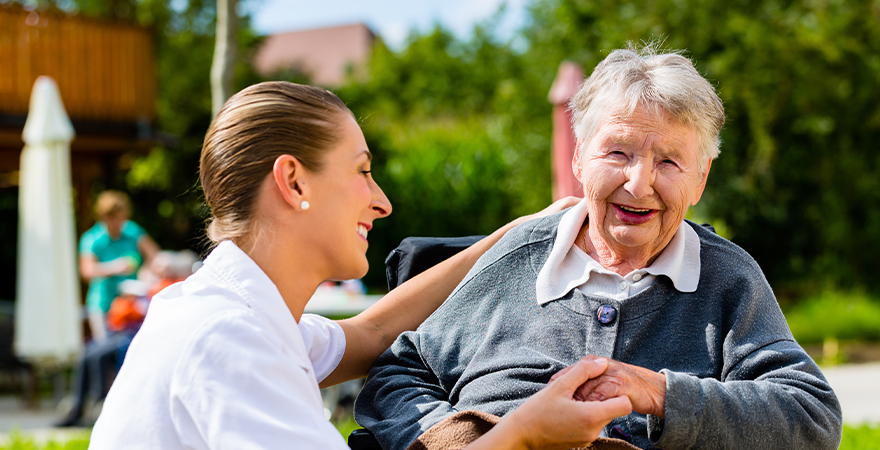
woman with dementia outside with carer
The name of this focus area is changing from "Responsive Behaviours" to "Changed Behaviour". You may see both terms while we transition our content to Changed Behaviour.

Alzheimer’ s Australia Vic developed* the CAUSEd problem-solving tool to assist carers to understand and respond when people with dementia are communicating their unmet needs through their behaviour.


CAUSEd (Communication, Activity, Unwell/unmet needs, Story, Environment, dementia) is an easy-to-remember acronym that encourages family carers and health care workers to look beyond presenting behaviours and beyond medical-model based explanations of the origins of these behavioural responses, and to see the person with dementia.

Looking at their story, the environment they live in, their physical and emotional health, the nature of the activities they are engaged in and the communication challenges they experience, carers are able to pinpoint modifiable triggers for these responses and develop and implement support strategies specifically designed to meet the need communicated by the ‘ behaviour’ (see CAUSEd examples).

CAUSEd provides a systematic approach to problem-solving to help carers minimise the impact of responsive behaviours.

It does this by shifting the focus away from behaviours being ‘ difficult’ , ‘ challenging’ or ‘ problem’ behaviours and providing an understanding of how the physical and social environment can be challenging and unsupportive for a person with dementia.

Since 2008, CAUSEd has been an important tool in Alzheimer’ s Australia Vic’ s learning programs. In 2014-15 it was used to introduce more than 17,000 family carers and health care workers to the application of person-centred approaches to supporting people with dementia (Alzheimer’ s Australia Vic 2014-15).


Share

Tags

  • aged care
  • ajdc
  • communication
  • dementia
  • family carers
  • professional carers
  • responsive behaviours
  • unmet needs
  • wellbeing

The CAUSEd acronym has been adopted by a number of key Australian agencies and researchers for use in training programs and publications.

  • The Dementia Training Study Centres included the CAUSEd acronym in its workshop series ‘ The Portrait, the Mirror and the Landscape’ .
  • It has also been used in training work led by Dr Sue Aberdeen, in which she adopted the CAUSEd acronym to signify the key concepts in concept mapping to improve problem-solving in residential aged care facility staff (Aberdeen 2011).

Learn more about CAUSEd

DTA’s Dementia Essentials workshop is an accredited dementia training program that covers the CAUSEd approach to problem-solving along with strategies to assist with good communication, planning, developing appropriate activities and understanding changed behaviour in people living with dementia.

It is delivered nationally by consortium member, Dementia Australia, and is fully-funded by the Australian Government. Cost-free for the Australian workforce (anyone working with people living with dementia), it can be completed Online (with a virtual classroom) or face to face at workshops held year-round across all Australian states and territories.

Learn more.

*Footnote: Dementia Australia Vic educators Di Fitzgerald and Marina Cavill developed the CAUSEd model for Dementia Australia Vic.

View more on DOMS: Behaviour Measures & Tools at the Dementia Centre for Research Collaboration website: https://dementiaresearch.org.au/doms/behaviour/

Share

Facebook Twitter LinkedIn

Related Articles

dta environment design team win award

10 Jun 2016

Environmental design service wins mental health award

The Environmental Design Education Service created by Professor Richard Fleming and Kirsty Bennett has won the Older Persons’ Mental Health Award at this year’s Mental...

dementia and imagination

18 Oct 2015

Dementia And Imagination

AJDC article about The Dementia And Imagination research project website looking into the impact of art in improving life for people with dementia and their...

Loading...
Close
Back to top
1300 229 092
Stay Connected
Mailchimp
Visit our Facebook page Visit our Twitter page Visit our LinkedIn page Visit our Instagram page
  • Courses
    • Behaviour
    • Dementia Awareness and Understanding
    • Dementia Diagnosis and Support
    • Diversity
    • Enabling Environments
    • Physical Wellbeing
  • Events
    • Workshop
    • Virtual Classroom
    • Webinar
  • Resources
  • Types of Support
    • Medication Management
    • Changed Behaviour
    • Pain Management
    • Environments
    • Tailored Training
    • Environments Training Program
    • Train The Trainer
  • Australian Journal of Dementia Care
  • Dementia Education Standards Framework
  • Aged Care Quality Standards
  • Learning Pathways
  • Rural and remote Australia
  • Contact
    • Careers
    • Submit a DSA Referral
    • Help
Aboriginal flag Torres Straight Islander flag

DTA would like to show our respect and acknowledge the traditional custodians of these lands. We extend this respect to elders’ past, present and emerging, and to all Aboriginal and Torres Strait Islander peoples. We also pay respect to Aboriginal and Torres Strait Islander peoples living with dementia and their carers.

Aboriginal Artwork

© Copyright Dementia Training Australia®. All rights reserved. Dementia Training Australia is a training services program delivered by the University of Wollongong. It is supported by funding from the Australian Government under the Dementia Training Program. This website uses dementia terminology current at time of publication.

  • Privacy Policy
  • Terms and Conditions